

Diabetes diet: rice and potato need not be fully off the plate, says doctor
Endocrinologist Dr Amey Joshi says diabetes management is about balancing the whole plate, not banning single foods
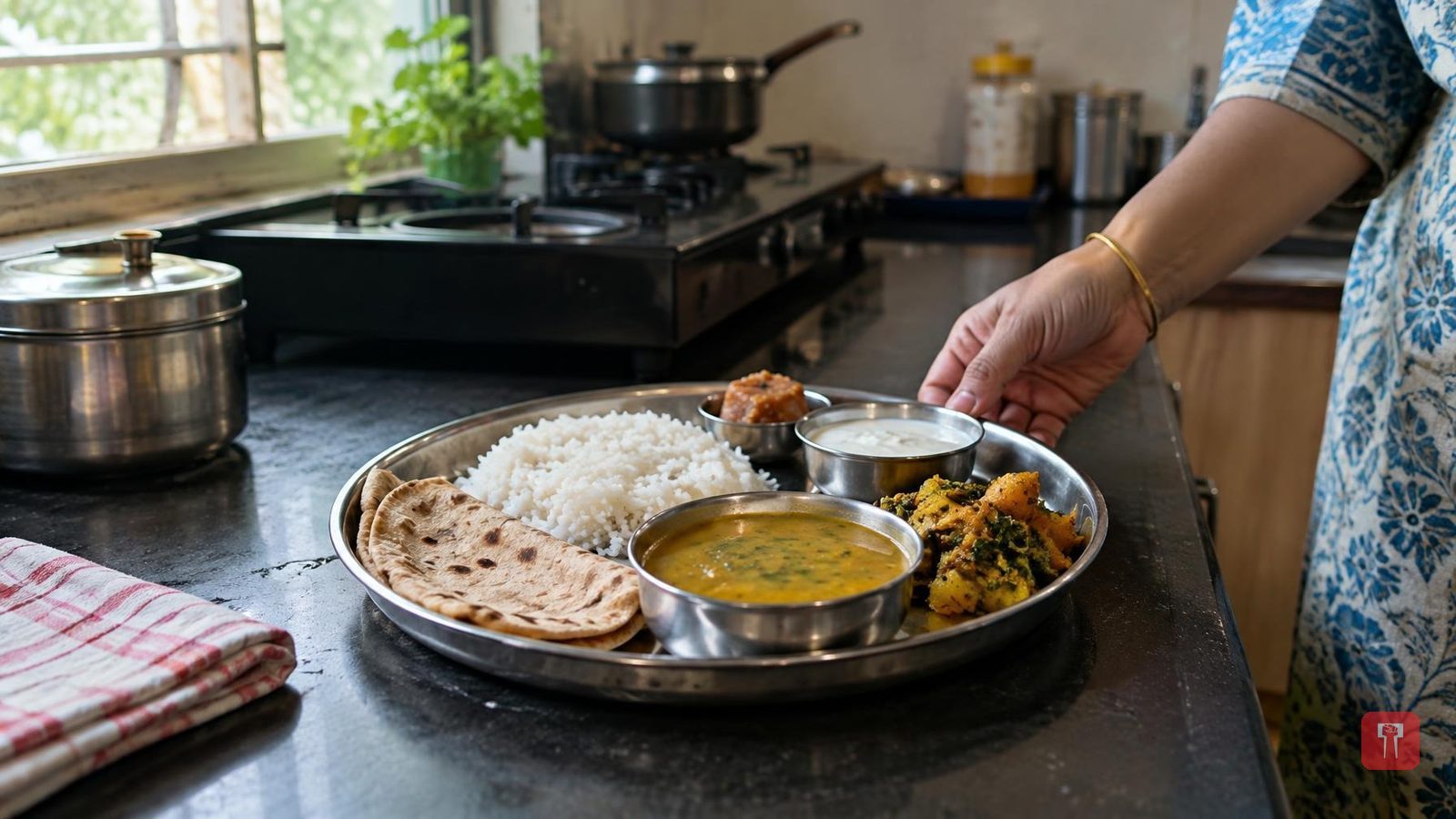
India loves festivals and rich food, but in almost every home someone is told to stay away from sweets and special dishes at mealtime. Not because they dislike them, but because they have diabetes. In everyday life too, rice, potato, sweets and fried food are counted among such foods. Once diabetes is diagnosed, the plate often gets split into two, what can be eaten and what is completely forbidden. But the question is whether eating well with diabetes means giving up everything one likes.
Actually that is not the case, and recent data on Indian diets helps explain this better. The ICMR-INDIAB study, which looked at the eating habits of more than 18,000 adults, found that around 62 percent of daily energy comes from carbohydrates, more than 25 percent from fat and only 12 percent from protein. It also showed that it is important to reduce the overall share of carbohydrates. For instance, simply switching from processed grains to whole wheat or millets such as bajra or ragi, without changing the total quantity of carbohydrates, did not lower the risk of diabetes or rising abdominal fat. This means swapping one food for another is not enough, what matters is planning the entire plate.
A diabetes patient can discuss with their doctor or dietitian whether rice or roti can be paired with dal, pulses, curd, paneer, egg or other good sources of protein, and whether there are enough vegetables and fibre in the meal. These questions matter because eating patterns vary across the country. The ICMR-INDIAB analysis found differences in diets across regions and between rural and urban populations, and protein intake also varied. This shows that a diet plan suited to one patient does not apply to another. No food can be strictly labelled right or wrong for diabetes. A favourite dish can still find a place on the plate, it depends on its quantity, how often it is eaten, what it is eaten with, and the patient's overall health.
Diabetes is not just about blood sugar. This becomes even more important when obesity and diabetes occur together. For such patients, doctors look not just at glucose levels but also at hunger, the feeling of fullness, total energy intake, weight, physical activity, and whether the patient will be able to sustain the dietary changes over the long term. Very strict diet plans are less likely to be sustained over time.
Diabetes is a long-term condition and treatment can change over time. For some patients, this may include tablets, insulin or GLP-1 receptor agonist drugs such as semaglutide. Once-a-week injection options are also available to make treatment easier. Medication should be decided according to the patient's needs, along with continued lifestyle changes.
Dr Amey Joshi advises focusing on the whole meal rather than any single food, keeping a balance of vegetables, the right protein, natural carbohydrates and healthy fat. He says portion size matters because even healthy foods provide calories and carbohydrates. He advises against copying someone else's diet, since every patient's age, weight, medication, physical activity and other conditions differ. He recommends checking blood glucose regularly to understand the effect of changes in diet, exercise and treatment. Instead of asking what not to eat, he suggests patients work with their doctor to build a diet suited to their body and lifestyle that can be sustained over the long term.
This information was provided by Dr Amey Joshi, consultant endocrinologist at Bhaktivedanta Hospital and Research Institute, endocrine and diabetes clinic.
