

BRICS education push adds AI, space and green tech to skills agenda
BRICS education ministers are pushing AI literacy, cybersecurity, space science and green technology skills alongside traditional degrees.
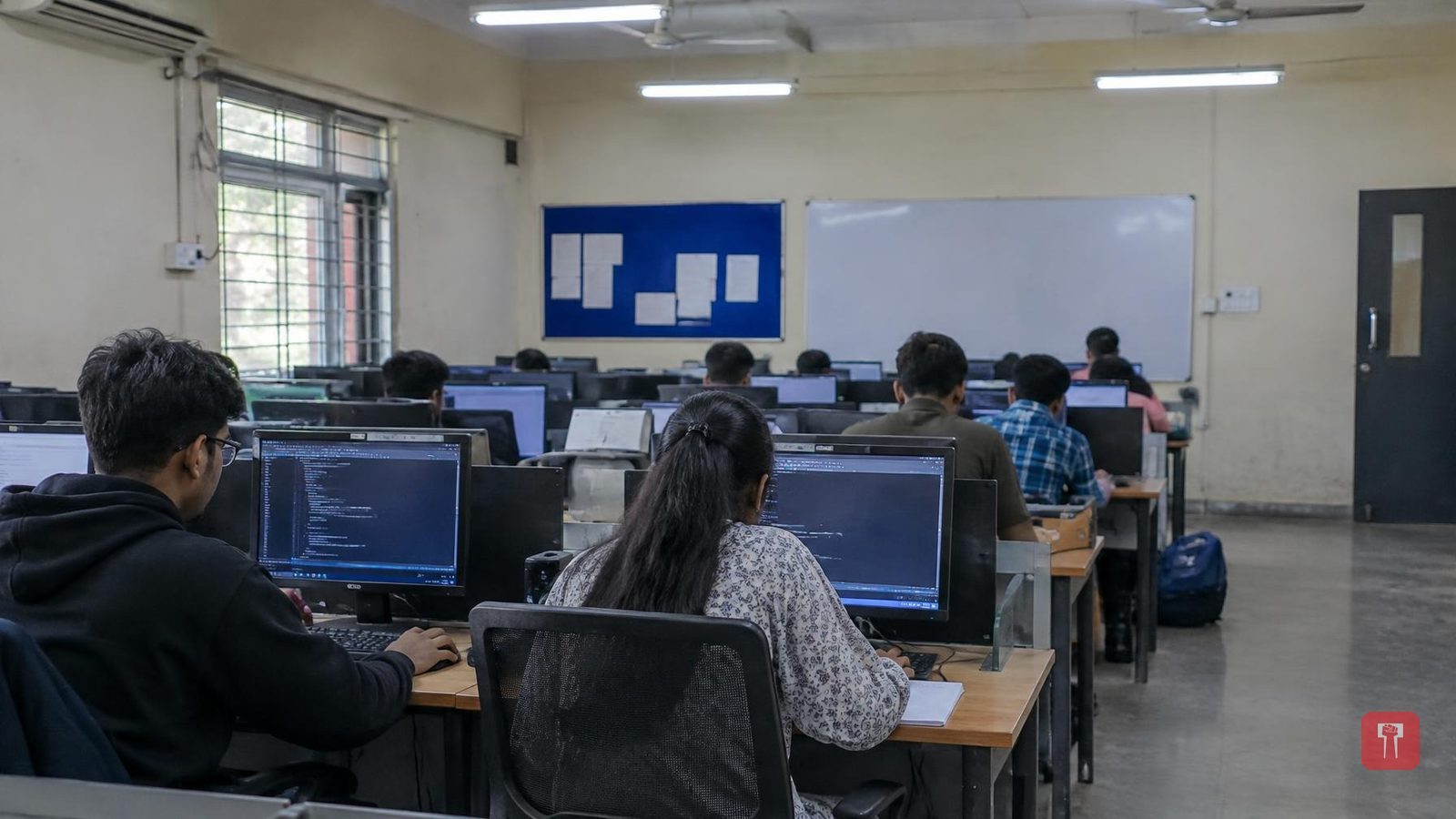
Artificial intelligence is no longer a subject confined to computer science. In 2025, education ministers of the BRICS countries issued a joint declaration on the use of AI in education, AI literacy and the responsible use of AI. The declaration described how AI could improve learning ability, how teaching could be adapted to each student's needs, and how it could help reduce gaps in education. It also highlighted challenges such as data privacy, bias in algorithms and the ethical use of AI.
Computer science and information security have already been important subjects in BRICS higher education cooperation. Joint programmes, research and educational collaboration in these fields are being promoted through the BRICS Network University. This means skills such as data science, cloud computing, cyber security and digital infrastructure will become essential for both study and employment in the coming years.
BRICS countries have made Technical and Vocational Education and Training (TVET) an important part of their educational cooperation. At the BRICS-TCA meeting held under India's chairmanship in 2026, discussions focused on the workforce linked to digital and green transitions. India also put forward proposals such as a BRICS International Skill Gap Study and a BRICS Skills Competition.
Future skills are not limited to AI alone. BRICS cooperation on TVET already includes next-generation skills such as the Internet of Things (IoT), smart cities, smart healthcare, drone technology, blockchain and artificial intelligence. This means practical courses and industry-oriented training in these areas will play a bigger role in engineering and vocational education.
Space is also emerging fast as an area of cooperation for BRICS countries. In June 2026, a meeting of BRICS Heads of Space Agencies was held in Bengaluru, where member countries discussed remote sensing satellite constellations and space sustainability. This is giving momentum to research and skills cooperation in space science, satellite technology, remote sensing, earth observation and space data.
Climate change and sustainable development are also an important part of the BRICS education agenda. The priorities of the BRICS Network University include ecology and climate change, energy, water resources and pollution treatment. This means demand for interdisciplinary skills such as renewable energy, climate technology, water management and environmental data will increase significantly.
The BRICS Network University aims to promote joint research, academic mobility and new educational initiatives among higher education institutions of member countries. Work was done in 2026 to strengthen this network further. At a meeting held in India in July 2026, a proposal was made to include traditional and Asian or local knowledge systems as a new subject.
BRICS's new education agenda makes clear that a traditional degree alone will not be enough in the coming years. Knowledge and practical skills related to AI, data science, cyber security, cloud computing, IoT, drones, space technology, green technology and digital skills will become essential for students. Notably, BRICS countries are trying to link these skills not only to higher education but also to Technical and Vocational Education and Training (TVET).
