

Bangladesh calls for reset in ties with India, reviewing 101 agreements
Dhaka's new government says the Sheikh Hasina era left relations with India unsettling and wants a fresh, more balanced footing.
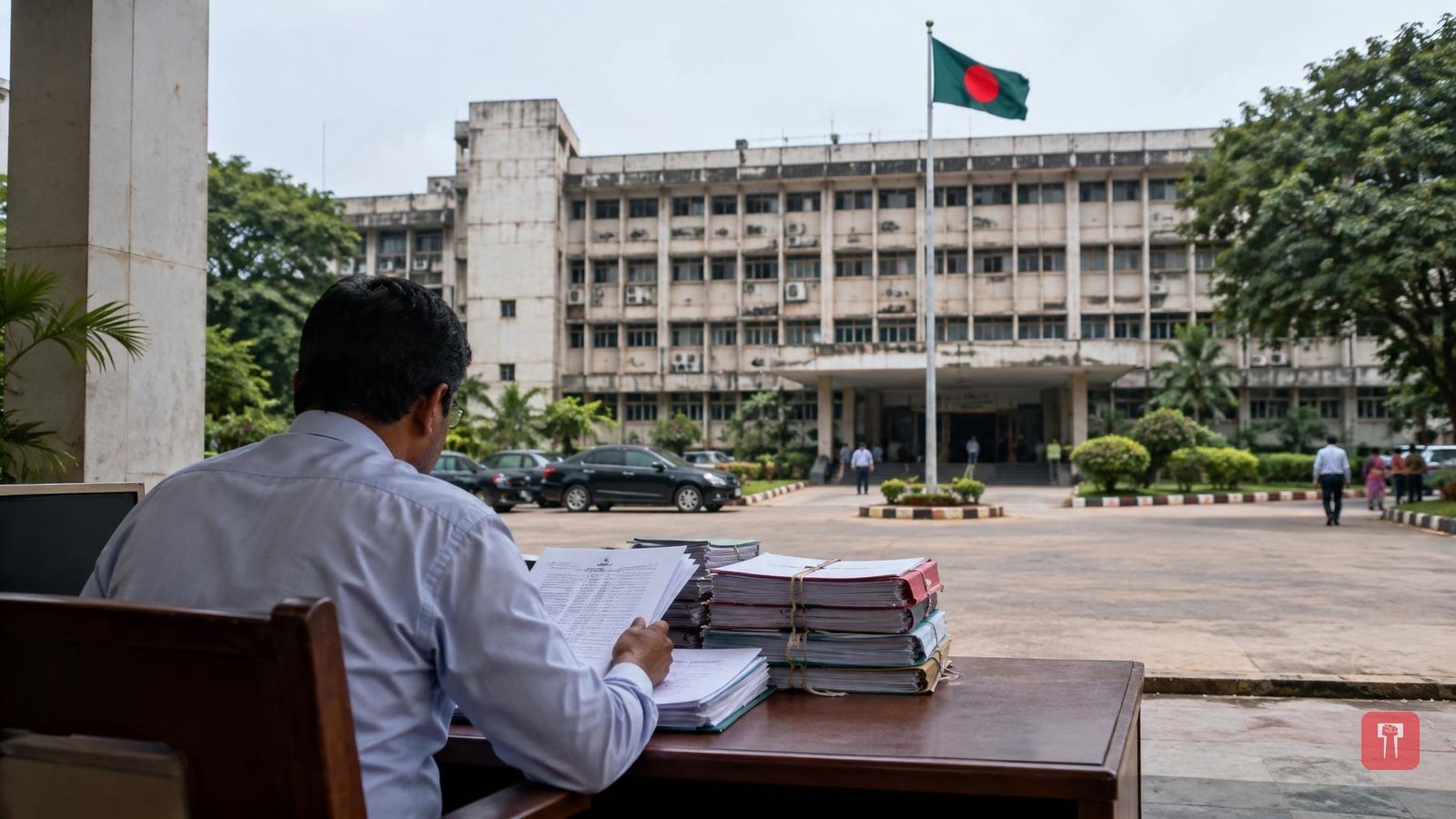
Relations between India and Bangladesh have long held a special place in South Asian diplomacy. The tension that has persisted between the two countries over the past two years has now reached a new turn. After the change of power in Bangladesh, the student-led movement and the political changes that followed, Dhaka's new government has made clear its wish to reset relations with New Delhi.
Bangladesh's Foreign Minister Humayun Kabir recently said that the relations built during former Prime Minister Sheikh Hasina's tenure were unsettling, and that both countries should now move beyond old thinking and accept the new reality.
In August 2024, after an intense movement by youth and students in Bangladesh, then Prime Minister Sheikh Hasina was forced to step down. Following the upheaval, she took refuge in India, which created considerable distance between Dhaka and New Delhi. The interim government led by Muhammad Yunus, and later the government of Prime Minister Tarique Rahman that came to power after winning a general election, have repeatedly expressed displeasure over Sheikh Hasina's stay in India. Bangladesh says the policies of the Hasina era were excessively dependent on India, raising questions about the country's autonomy.
Foreign Minister Humayun Kabir said at an international forum that Bangladesh must move away from the mindset of excessive dependence on India. In an informal conversation, he said: "Breakfast in India, lunch in India, and dinner in India too, then when will we make our own decisions." This statement reflects Bangladesh's new foreign policy clearly. Dhaka now wants to take relations with India forward through direct bilateral talks rather than any multilateral or regional platform. India remains an important neighbour, but Bangladesh will emphasise making its foreign policy more independent and balanced rather than limiting it to India alone.
Tension between India and Bangladesh became clearer over the invitation to the BRICS summit. Bangladesh's Prime Minister Tarique Rahman did not attend the summit. According to Bangladesh's claim, its prime minister was not given a proper and respectful invitation as an independent head of state, but was invited only as the chair of BIMSTEC. India, on the other hand, clarified that Rahman had been formally invited both for a bilateral meeting and as BIMSTEC chair for the summit. The dispute over the invitation further increased diplomatic tension between the two countries.
The ruling Bangladesh Nationalist Party, or BNP, government in Bangladesh has begun reviewing 101 agreements and memorandums of understanding signed with India. The party's chief whip, Nurul Islam Moni, said at the parliament media centre that many of the old agreements were against Bangladesh's national interest and were based on flawed methods. These include policies related to allowing the use of Chittagong and Mongla ports by ships of friendly countries. A parliamentary committee is examining all 101 agreements, and the Bangladesh government has indicated that agreements that harm the country's sovereignty or are one-sided will be cancelled or amended.
To resolve this diplomatic impasse that has built up over the past two years, the two countries will have to find middle ground. Bangladesh's Foreign Minister Humayun Kabir made clear that Bangladesh does not want hostility with India, but wants to rebuild relations on the principle of mutual respect and equality. For India too, Bangladesh remains a crucial neighbour from a security and trade perspective. In this context, the whole world is now watching what new direction this proposed reset gives to South Asian politics going forward.
