

9/11, 25 years on: how four hijacked planes reshaped world politics
A quarter century after the September 11 attacks, the hijackings still shape global power, from the war on terror to China's rise.
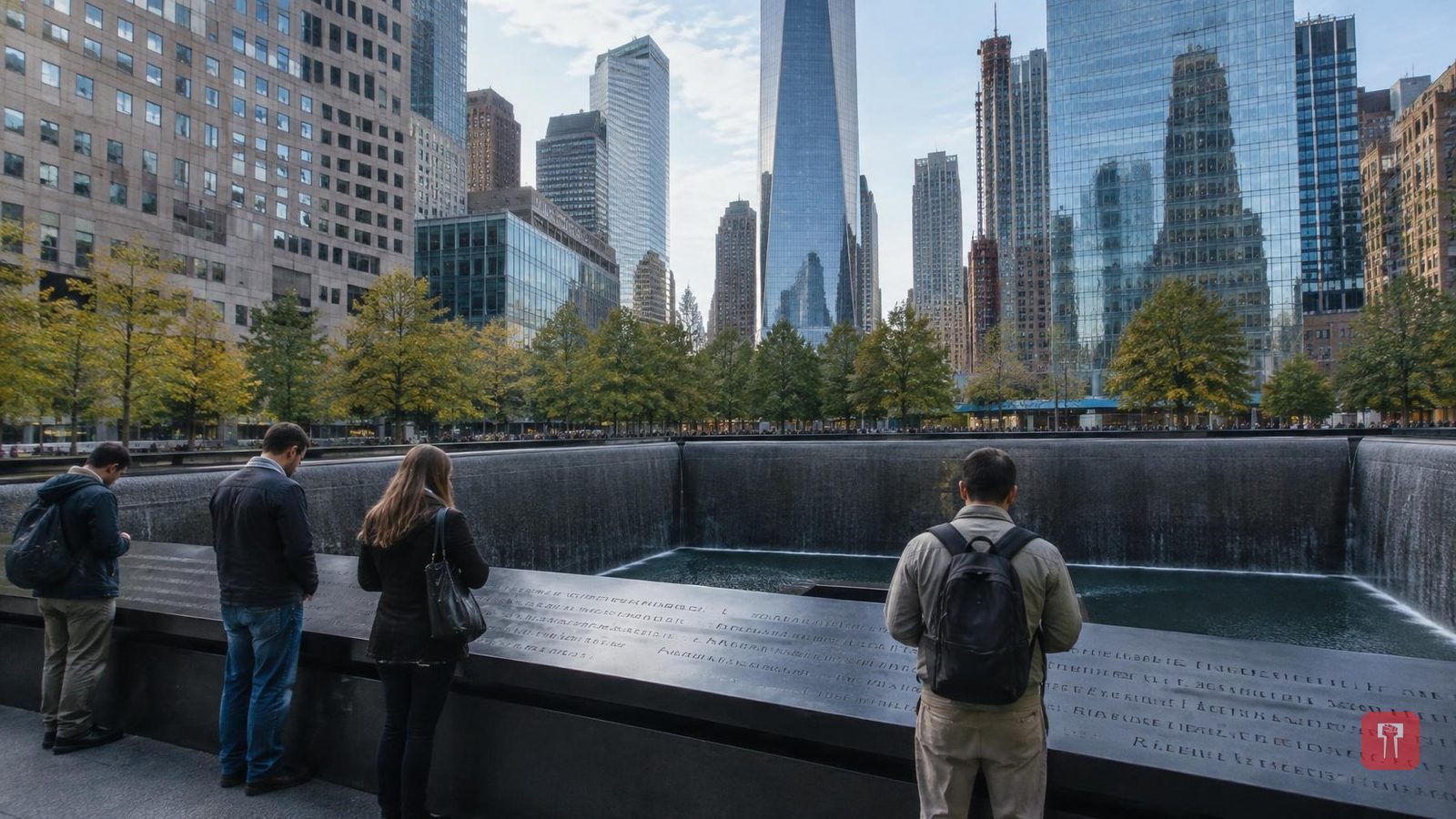
The morning of September 11, 2001, began like any other in the United States. Within hours, the world's politics, economy and security had changed forever. Nineteen Al-Qaeda militants hijacked four domestic passenger planes in a carefully planned operation, aiming to strike buildings and institutions that symbolised America's economic and military power.
At 8:46 am, American Airlines Flight 11 crashed into the North Tower of the World Trade Center in New York. Just 17 minutes later, at 9:03 am, United Airlines Flight 175 struck the South Tower. Within 104 minutes, the Twin Towers, once among the world's tallest and sturdiest buildings, had collapsed completely. A third plane, American Airlines Flight 77, hit the Pentagon, the headquarters of the US Department of Defense in Washington, at around 9:37 am.
The fourth hijacked plane, United Airlines Flight 93, was meant to hit the White House or the US Capitol. Some passengers on board fought the hijackers directly, foiling the plan. The plane went out of control and crashed into an empty field in Shanksville, Pennsylvania. The attacks killed 2,977 people from more than 100 countries and injured over 6,000. The United States suffered economic losses of more than 100 billion dollars.
The attacks shattered America's sense of security and invincibility. Then US President George W. Bush declared a global war on terrorism. In October 2001, the US military invaded Afghanistan to destroy Al-Qaeda and remove the Taliban from power, and later intervened in Iraq as well. After a long pursuit, the US killed Al-Qaeda chief Osama bin Laden in Abbottabad, Pakistan, in 2011. In 2022, the US killed Ayman al-Zawahiri, another key mastermind of 9/11 on whom a 25 million dollar bounty had been placed, in a drone strike.
The attacks' biggest and most unintended effect fell on the balance among the world's great powers. America's full strength, military and vast economic resources stayed tied up for years in the deserts of the Middle East and Asia. The wars in Afghanistan and Iraq cost the US trillions of dollars, leaving its military and economy caught in exhausting conflict for two decades.
This entanglement proved to be an unintended strategic relief for China. In the early 2000s, the US had been building a strategy to check China's rising economic power, but after 9/11 its priorities shifted, giving China room to expand. While the US was mired in wars, China quietly and rapidly transformed its industry, technology, infrastructure and economy. Through the Belt and Road Initiative, China invested billions of dollars across Asia, Africa, Europe and South America to widen its reach, and significantly built up its naval and military strength in the Indo-Pacific region.
Before 9/11, the United States was seen as the world's sole superpower. But in the two decades since, China's rapid economic rise has made the world multipolar, with China emerging as the second major power capable of directly challenging the US. The four hijacked planes of September 11 did not just bring scenes of horror to New York, they altered the course of 21st century global politics.
