

Maharashtra has India's costliest power bills, triple Sikkim's rate: complaint to Rohit Pawar
A delegation says Mahavitaran charges the highest domestic power rates among 28 states and wants Rohit Pawar to raise the issue in the assembly.
Mahavitaran is selling power to its domestic consumers at the highest rate among 28 states in the country. Compared to some states the rate is triple, and compared to others it is more than double. Despite this, a proposal to raise power tariffs by citing losses is placed before the regulator every year.
If a domestic consumer in Maharashtra uses 400 units of electricity, the bill comes to around Rs 4,821. The same 400-unit bill for a consumer in Uttar Pradesh is only Rs 2,265, roughly half the price.
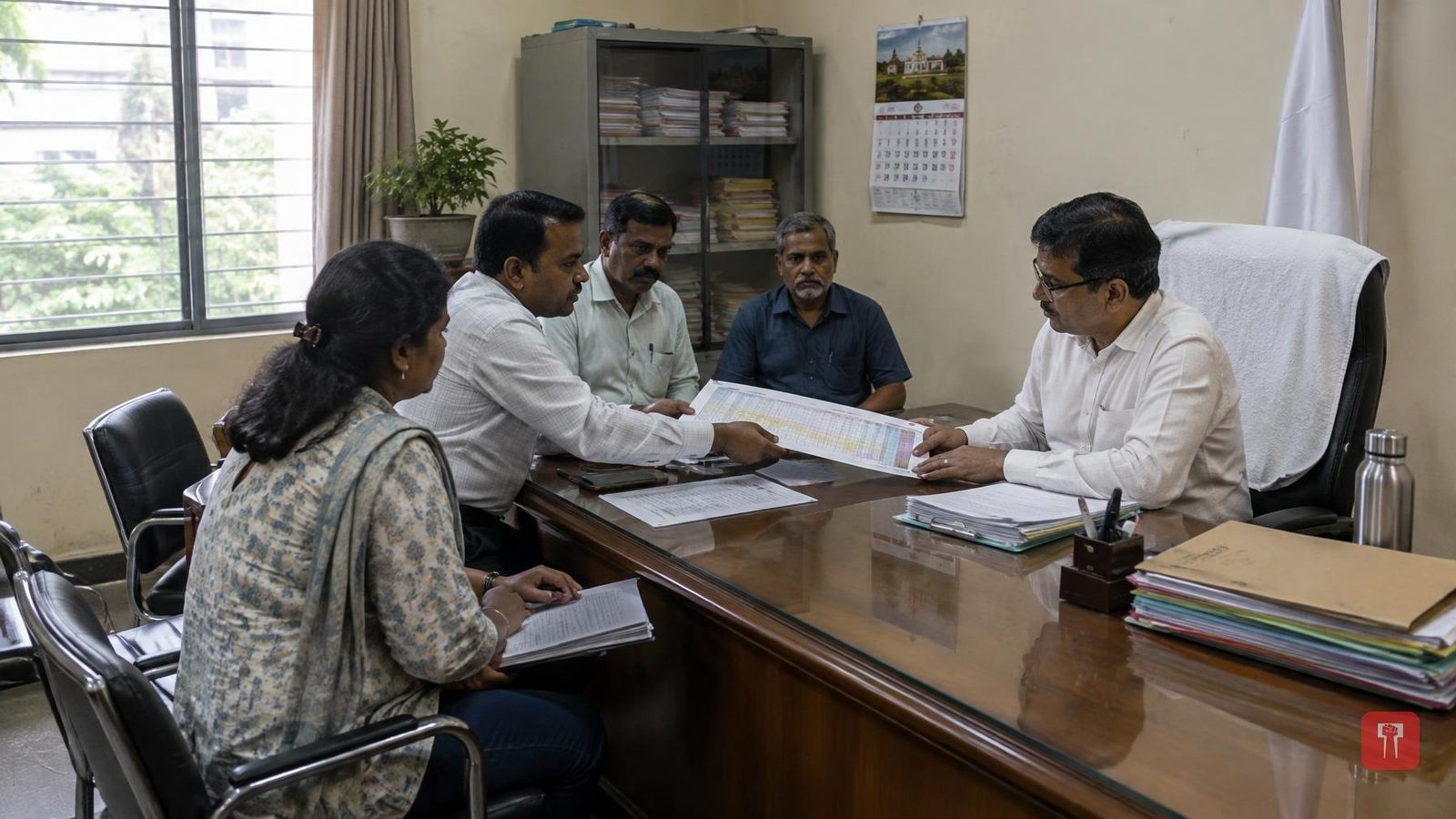
A delegation led by Nationalist Congress Party (Sharadchandra Pawar) leader Vedprakash Arya met MLA Rohit Pawar and submitted a comparison of electricity bills across different states over what it called Mahavitaran's overcharging. Rohit Pawar assured the delegation he would raise the issue in the state assembly.
The delegation claims that while Maharashtra charges Rs 4,821 for 400 units of power, the bill for the same amount in Sikkim is only Rs 1,420. By this comparison, Maharashtra is charging its consumers more than three times what Sikkim charges. This rate is stated for phase-one domestic power.
According to the delegation, the bill for 400 units of electricity is Rs 1,650 in Goa, Rs 1,780 in Arunachal Pradesh, Rs 1,980 in Himachal Pradesh, Rs 2,050 in Mizoram and Rs 2,210 in Tamil Nadu. It also claimed the bill is Rs 2,380 in Gujarat, Rs 2,510 in Chhattisgarh, Rs 2,720 in Andhra Pradesh, Rs 2,890 in Kerala and Rs 2,950 in Madhya Pradesh. In Telangana the bill was put at Rs 3,150, in Karnataka Rs 3,410, in Rajasthan Rs 3,520 and in Punjab around Rs 3,850.
The delegation warned clearly that if Mahavitaran does not lower power rates within 15 days, it will lay siege to Mahavitaran's headquarters in Nagpur and launch a sharp public agitation. The delegation included Abhishek Arya, Shekhar Patil, Tarun Ramdasani, Jeetu Kevalramani, Harish Taiwani and Jagdish Khushalani, along with a large number of citizens and traders.
