

Pakistani vessel collides with Indian Navy ship, breaches 1991 pact clause 10
A Pakistani navy vessel clipped an Indian warship in the Arabian Sea, prompting India to summon Pakistan's charge d'affaires in protest.
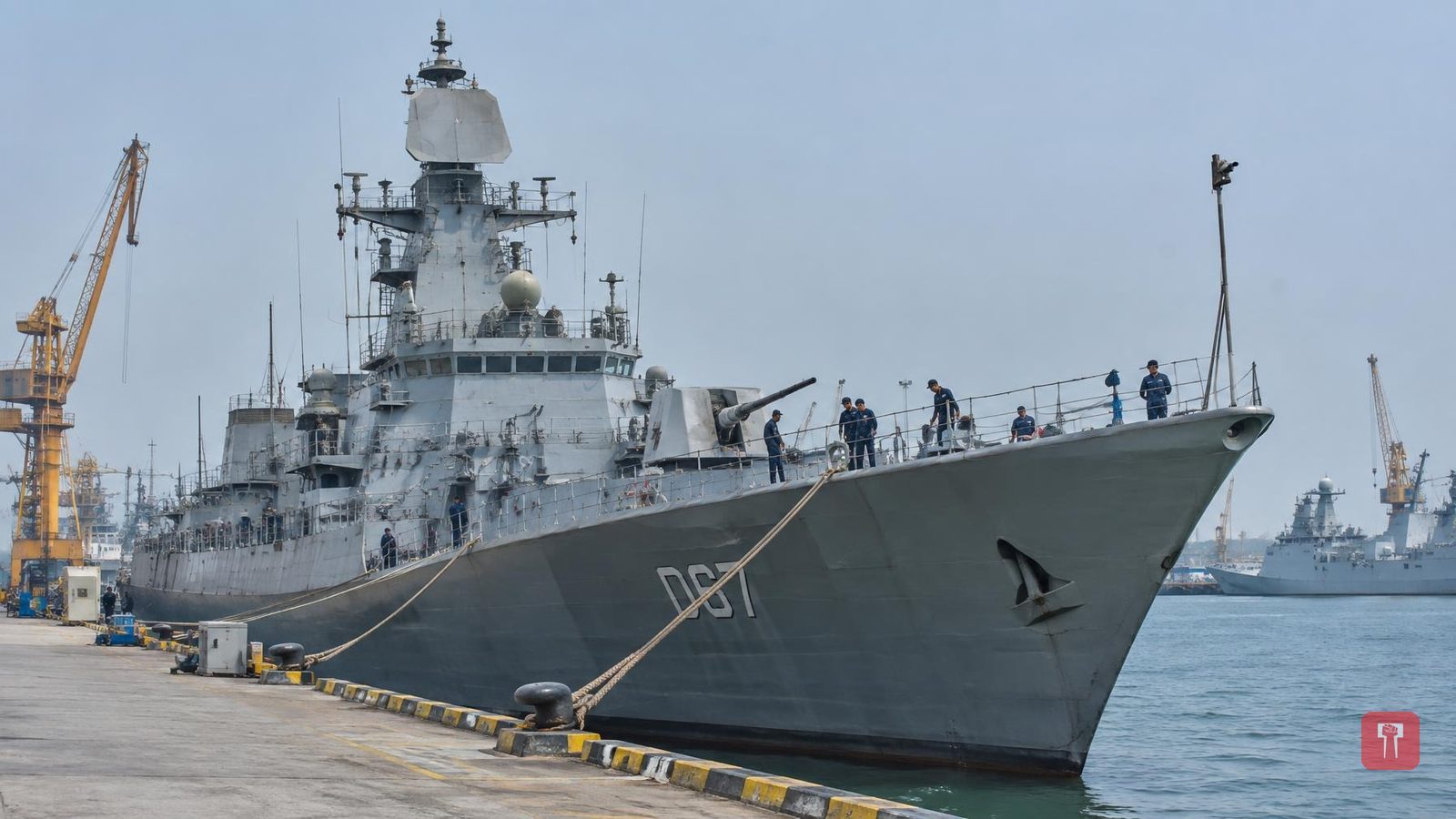
An Indian warship had a sudden encounter with a Pakistani navy vessel in the Arabian Sea on Tuesday evening. Pakistan deliberately tried to turn its ship in a dangerous manner and at high speed, causing a minor collision between the two vessels. The incident took place in international maritime waters. There is no report of any major loss of life or property.
India has lodged a strong protest over the incident. The charge d'affaires at the Pakistan High Commission in Delhi was summoned to register a strong protest against the Pakistan Navy's reckless and unprofessional conduct. India has told Pakistan that its naval vessels must take necessary precautions whenever they are at sea, and that both countries must follow their existing agreements to avoid such incidents in future.
The Ministry of External Affairs in New Delhi has informed the Pakistani High Commission about the matter. India suffered no damage, but Pakistan has violated a 35 year old agreement.
India and Pakistan signed an agreement in April 1991. The recent incident is a direct violation of clause 10 of that agreement. The 1991 agreement relates to advance notification of military exercises, drills and troop movements. Both countries have previously invoked clause 10 of the same agreement in relation to maritime incidents.
The agreement was signed in New Delhi on April 6, 1991. Its purpose is to reduce the risk of misunderstanding, collision or any accident during maritime and military operations. Under clause 10, ships or submarines in international maritime waters must maintain a distance of at least 3 nautical miles from each other.
The agreement was one of the confidence building measures between India and Pakistan aimed at reducing military tension, clearing up misunderstandings and avoiding any border clash arising from an accident. Under it, both countries must give each other advance notice before any major military exercise, troop movement or drill near their border. This ensures that forces stationed at the border remain alert without mistaking it for a threat.
