

World Cleanup Day: how an idea from Estonia became a global movement
World Cleanup Day is observed every September 20, marking a 2008 Estonian volunteer drive that grew into a movement in over 190 countries
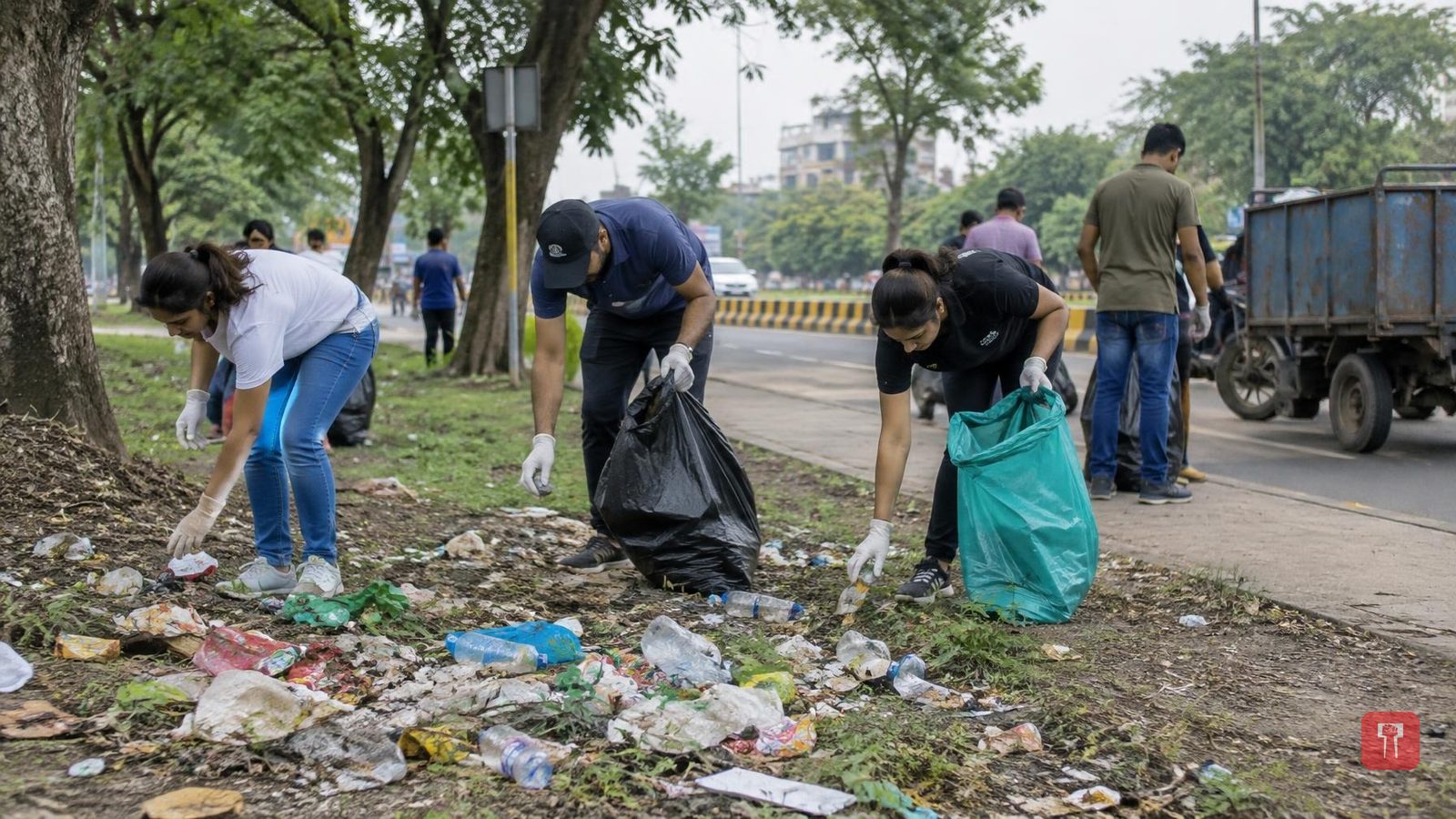
The garbage problem is no longer confined to one city or country, it has become a crisis facing the whole world. Every year, lakhs of tonnes of plastic and other waste that does not easily decompose keep piling up in rivers, seas and on land. To fight this crisis and bring people closer to nature again, World Cleanup Day is observed every year on September 20. The day reminds people around the world that the earth is our only home, and keeping it clean is not just the government's job but every individual's responsibility.
The story behind the day is interesting and inspiring. It began in 2008 in the small European country of Estonia. At the time, more than 50,000 people and volunteers in Estonia decided on their own, without any government pressure, that they would clean up their country. They picked up illegally dumped waste spread across the entire country in just 5 hours. Inspired by Estonia's success, other countries began adopting the idea. Today, led by an organisation called Let's Do It World, the movement has spread to more than 190 countries, with lakhs of people taking part voluntarily.
Recognising the initiative's major contribution to protecting the environment, the United Nations General Assembly has officially declared September 20 as International Coastal Cleanup Day. Every year on this day, lakhs of volunteers, schools, colleges and social organisations take to riverbanks, beaches, historical sites, parks and city streets to clean them up. The waste collected is sorted, and plastic and glass are sent for recycling.
Plastic pollution is increasingly becoming the biggest threat to nature. Single-use plastic remains in the ground or the sea for thousands of years, causing serious harm to the health of aquatic life, wild animals and humans. The day is a reminder that using as little plastic as possible, not littering in the open but using dustbins, and separating wet and dry waste should become everyone's daily habit.
The day is not limited to just one day of the year, it carries a message about changing the way we live. Using cloth or jute bags while shopping, separating wet and dry waste at home, reusing things as much as possible, disposing of e-waste properly, and joining a cleanliness drive in one's neighbourhood at least once a week, such small steps can bring about big change over time. If future generations are to inherit a clean and green earth, the fight against waste must begin today.
