

New UPI MDR rules bring 0.4% charge on merchant transactions over Rs 2,000
A new MDR framework for UPI keeps P2P transfers and small merchant payments free while levying charges on larger transactions.
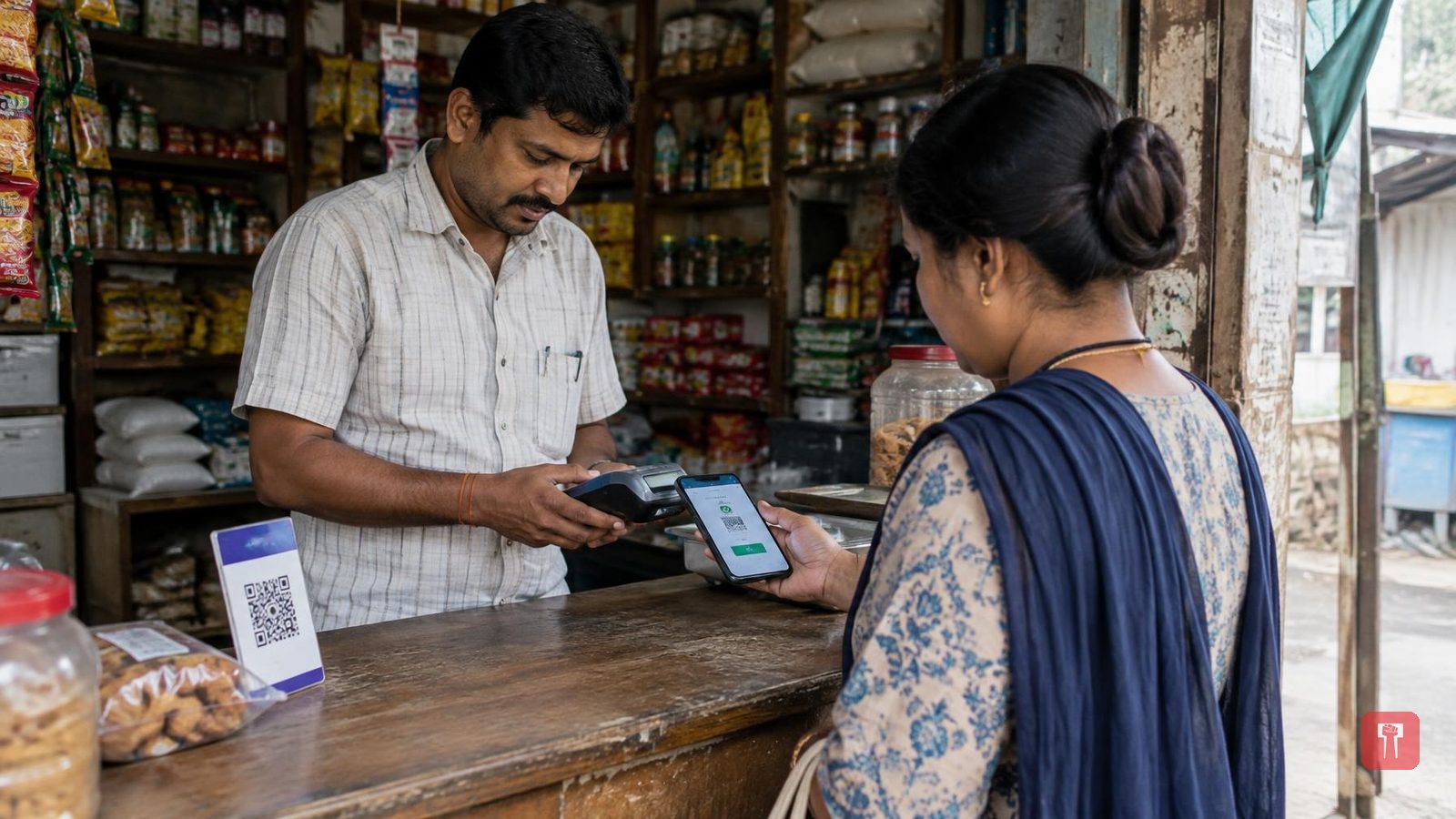
A new MDR, or Merchant Discount Rate, system is set to come into effect for UPI users, bringing some changes to the payment system. Under the new structure, eligible merchants will face a 0.4 percent MDR charge on UPI transactions above Rs 2,000. However, ordinary users will not be affected much, as person-to-person, or P2P, transactions and eligible small merchants will continue to enjoy zero-MDR facility as before.
The country has more than 3 crore micro enterprises earning less than Rs 1 lakh a month, and these will not have to pay any MDR charge on UPI transactions. In addition, no charge will apply on any P2P UPI transaction between individuals. Assocham president Nirmal K. Minda welcomed the new UPI framework introduced for high-value merchant transactions. He said the new policy would strengthen UPI, encourage new ideas, prevent fraud and increase its acceptance. He added that it would also strengthen payment infrastructure and the acceptance network, giving customers and shopkeepers across the country a better service.
Assocham praised the government's balanced approach, under which all P2P UPI transactions remain completely free without any amount limit, while merchant payments up to Rs 2,000 will also remain exempt from MDR. The new system will continue to give the benefit of zero-MDR to eligible small shopkeepers, especially street vendors and local shopkeepers who receive up to Rs 1 lakh a month via UPI QR code under the P2P category. This will help save small traders from extra payment costs.
Notably, about 96 percent of merchant transactions will not be affected, and the MDR charge will apply to only 4 percent of merchant transactions. This means most everyday merchant payments will continue as before without any MDR impact. Certain merchant transactions above Rs 2,000 will attract a 0.4 percent MDR, capped at a maximum of Rs 300 for transactions of Rs 75,000 and above. In essential, low-margin sectors such as railways, telecom, insurance, fuel and agricultural produce, a fixed MDR charge of Rs 5 will apply on transactions above Rs 2,000.
For capital market transactions, including mutual funds, securities, stockbrokers and dealers, the MDR will be 0.02 percent, capped at a maximum of Rs 300 per transaction. This is expected to keep encouraging the adoption of digital methods in the formal financial market. Under the new system, 5 percent of total MDR collections will be set aside in a special fund, to be used to promote UPI adoption among small merchants and expand its reach, particularly in rural and semi-urban areas.
Nirmal K. Minda said that building a sustainable revenue system while keeping the interests of customers and small merchants in mind would support greater investment in innovation, infrastructure and payment acceptance. This would further strengthen UPI's role in India's digital transformation. He said the policy would help UPI's continued growth by strengthening its reach, innovation and infrastructure, and would aid in building a more sustainable and inclusive digital payment system.
