

PepsiCo's pep+ initiative benefits 36,000 farmers in India, focuses on water and sustainable farming
PepsiCo's 2025 ESG update shows its pep+ programme has expanded regenerative farming and water replenishment worldwide, with 36,000 farmers linked in India.
PepsiCo has released its 2025 ESG performance update, outlining progress under its "PepsiCo Positive," or "pep+," initiative. The update shows how sustainability is taking root in the company's operations and growth.
Globally, PepsiCo has expanded regenerative and protective farming practices to 4.7 million acres across more than 60 countries. The company has achieved 100 percent water replenishment at its own facilities in high water-stress areas, while the share of new plastic used in packaging has fallen by 6 percent.
In India, PepsiCo is linked to about 36,000 farmers across 14 states, and all the potatoes needed for its chips are sourced locally within the country. PepsiCo Chief Sustainability Officer Jim Andrew said pep+ is driving major change in the business and that the company is excited about it. He said expanding regenerative farming practices to 4.7 million acres, cutting operational emissions and reshaping the product portfolio reflect significant progress. He also noted that while much work remains, this progress shows sustained efforts to embed sustainability in the business, innovation and growth.
PepsiCo India and South Asia's Chief Corporate Affairs and Sustainability Officer Yashica Singh said the company's growth in India is directly linked to the strength and resilience of the surrounding ecosystem. She said farmers, communities, natural resources and consumers are all part of the value chain. She explained that empowering farmers strengthens the supply chain, improving water and resource use builds resilience in operations, and reshaping the portfolio responds to changing consumer preferences.
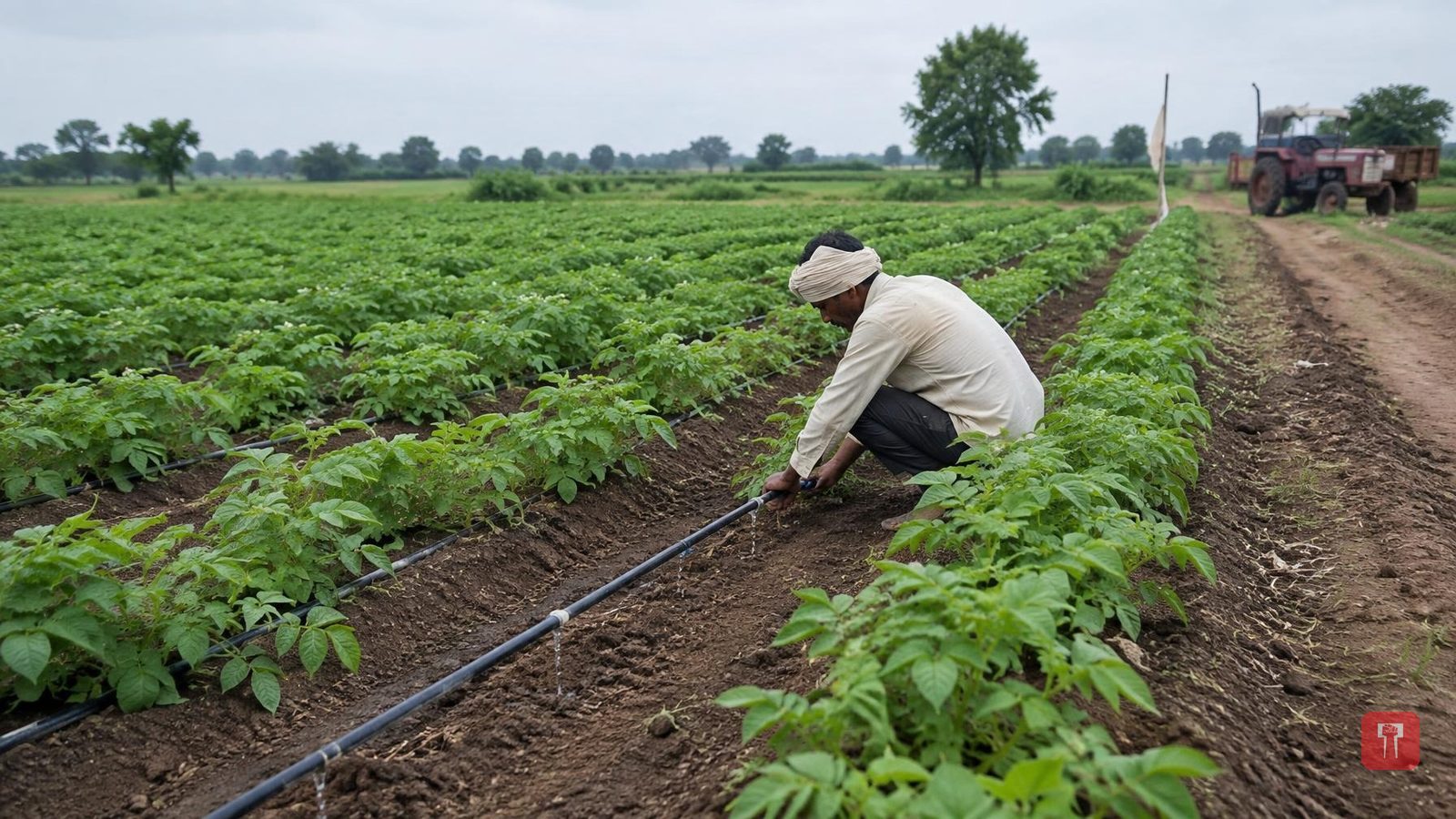
Through initiatives such as "Lay's Smart Farms," developed with "Mitti Didi" and "CropIn," the company provides farmers with real-time information on soil health and farming. The Smart Farms programme covers more than 18,000 acres and benefits over 7,000 farmers. Micro-irrigation has reached 100 percent adoption in key potato-growing areas, including more than 2,300 acres in Uttar Pradesh.
The company has also made concrete progress on water. At production facilities in high water-stress areas, more water is returned to local watersheds than is used. Water usage at the Pune manufacturing facility has fallen by more than 90 percent. Globally, PepsiCo has returned 23 billion litres of water to local ecosystems since 2010 and has provided safe water access to about 97 million people.
To reduce material use in packaging and improve recyclability, the company is using mono-material and polyolefin-based structures and moving towards 100 percent rPET bottles for some products in its beverage business. Biomass accounts for 97 percent of the fuel mix at PepsiCo India.
The company is also making changes in transport. The Kosi-Pataudi EV Green Corridor, developed with Kalyani Powertrain Limited and Vayudoot Road Carriers, currently runs thirteen 32-foot electric container trucks, covering about 600,000 electric kilometres a year. More than 800 vehicles have been upgraded for last-mile delivery across the country.
The portfolio is also changing in line with shifting consumer preferences. More than 50 percent of PepsiCo's beverages in India now have low or no added sugar. Products such as "Red Rock Deli" baked variants with 40 percent less fat and millet-based "Kurkure Jowar Puffs" are part of this shift.
