

Satara: Janhakk Samiti warns of action over lax gram panchayat inspections
Right to information activists in Satara say officials are skipping mandatory audits of gram panchayats and will use RTI to force accountability.
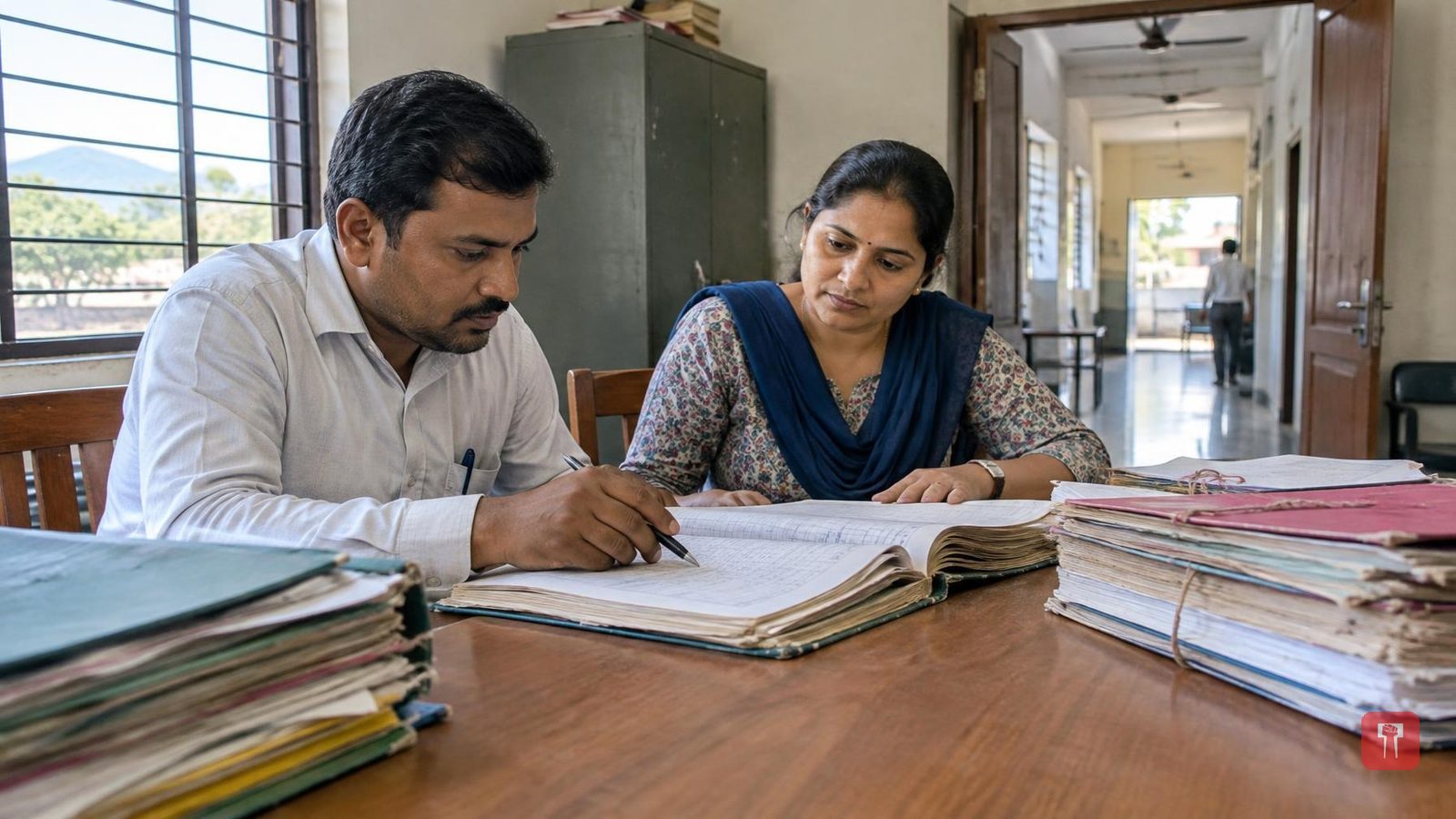
Under the rules of the Maharashtra Accounts Code 2011, senior officials must carry out regular and thorough inspections of gram panchayats to check rising corruption, poor progress on development works and financial irregularities. The Janhakk Samiti, a group of right to information activists in the district, will now keep watch on this, social activist Sushant More said.
These inspections are mandatory under Rule 80 of the Maharashtra Gram Panchayat Accounts Code 2011 and Section 140 of the Maharashtra Gram Panchayat Act, but officials in practice ignore them. Records are simply signed off without any thorough inspection, alleged Maharudra Tikunde of the Janhakk Samiti.
The term of the executive bodies of more than 14,000 gram panchayats in the state and over 700 in Satara district has ended, but the state government has failed to hold elections within six months. For the first six months, sitting sarpanches were made administrators. Instead of then trying to hold fresh elections, officials of the rank of extension officer were appointed as administrators of gram panchayats. This responsibility has been given not only to gram panchayat extension officers but also to officials from other departments who have no knowledge of gram panchayat functioning or law. Running a gram panchayat is a legal responsibility, not something to be taken lightly, and must be carried out competently. All activists of the district's Janhakk Samiti will keep watch on this, Kailas Kumbhar said.
To ensure funds are not wasted under administrator rule and officials do not shirk their responsibility, the Janhakk Samiti will now use the right to information, Bharat Raval said. Activist Shivaji Jadhav warned that the group will insist on direct administrative action against officials who fail to conduct regular inspections and who are negligent in their duties. Rajendra Gaikwad and Ganesh Waghmare of the Janhakk Samiti expressed confidence that if senior officials carry out honest inspections from time to time and provide full guidance, transparency will come into the functioning of gram panchayats.
The accounts code also lays down the full inspection procedure. The chief executive officer must inspect at least one gram panchayat in every panchayat samiti each year. The deputy chief executive officer must inspect at least five gram panchayats in the panchayat samiti area each year. The group development officer must carry out a thorough inspection of five gram panchayats and a general inspection of five more gram panchayats every month. Extension officers must carry out a thorough, rotating inspection of 10 gram panchayats in their jurisdiction every month.
Extension officers are required to submit their monthly thorough inspection of 10 gram panchayats in a seven-page prescribed format. This must cover every financial transaction of the gram panchayat, an on site check of development works, actual implementation of resolutions passed at the gram sabha and monthly meetings, as well as a check of income, expenditure and outstanding amounts. The right to information will be used to ensure strict compliance with these rules, activists Ganesh Ahiwale and Mahesh Shivdas said.
