

Govt cuts windfall tax on petrol, diesel exports
The government has cut windfall tax on petrol and diesel exports, but officials say the change will not directly affect fuel prices for consumers.
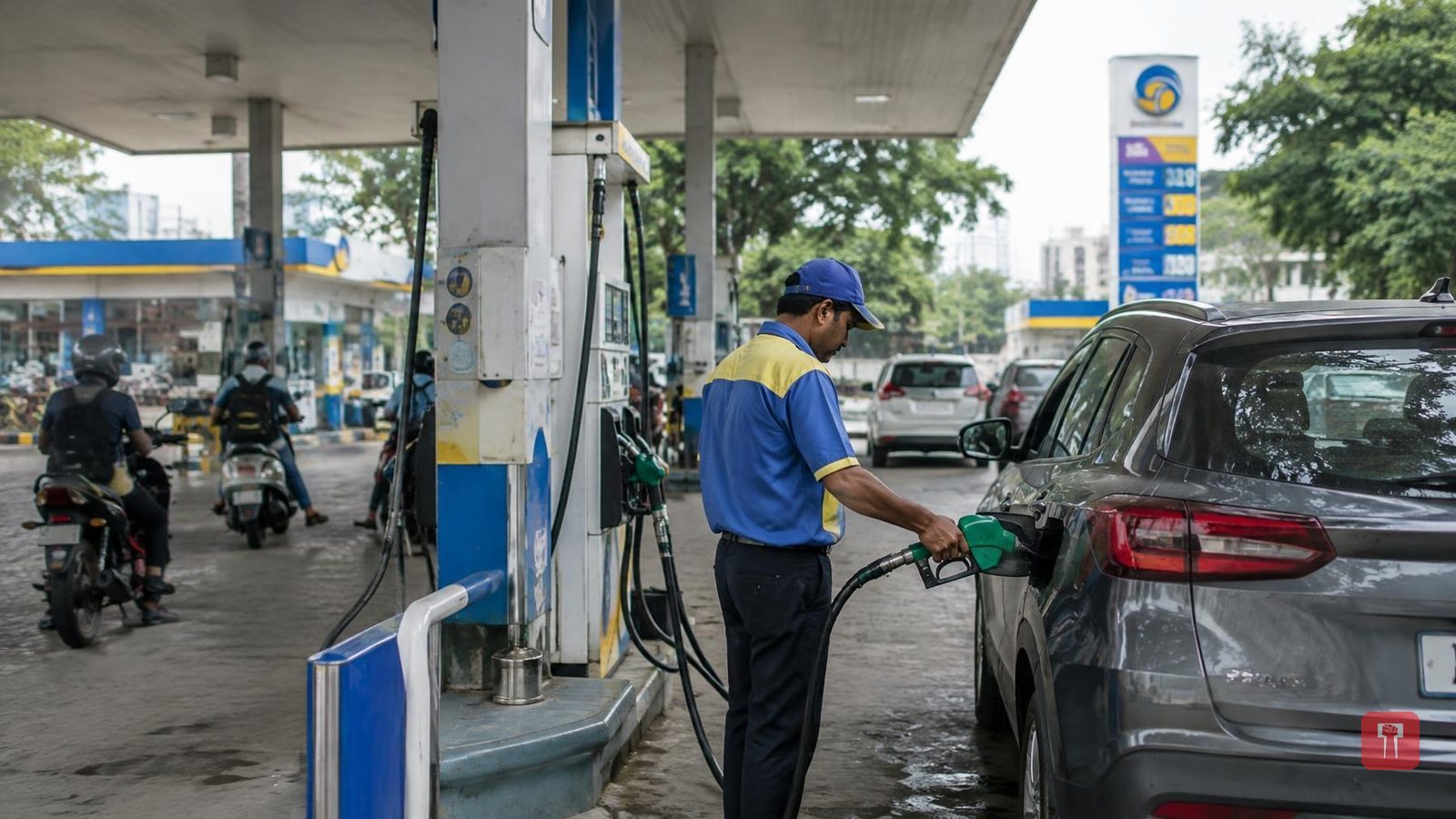
The central government has cut the windfall tax levied on exports of petrol and diesel, at a time when inflation remains a talking point.
Under a new decision by the finance ministry, the tax on petrol exports has been lowered from Rs 1.50 per litre to Rs 0.50 per litre, a cut of Rs 1 per litre. The total levy on diesel exports has also been reduced, from Rs 25 per litre to Rs 20 per litre, a cut of Rs 5 per litre.
The earlier Rs 25 per litre levy on diesel exports had two components: Rs 24 of Special Additional Excise Duty (SAED) and Rs 1 of Road and Infrastructure Cess (RIC). The RIC component has now been scrapped entirely. There has been no change to the excise duty rates on petrol and diesel meant for domestic consumption, which remain unchanged.
The government will also continue to levy a windfall tax of Rs 15 per litre on exports of Aviation Turbine Fuel (ATF). The tax is reviewed every 15 days, meaning the rate can change once every two weeks. The additional levy on exports of petroleum products was first imposed on March 27, 2026, with the aim of ensuring adequate domestic stock of petroleum products and limiting exports amid the ongoing crisis in West Asia.
It has been made clear that this latest decision will not directly affect ordinary consumers. The change will only affect the costs of companies exporting petrol, diesel or ATF, so a direct change in fuel prices at pumps or for domestic use is unlikely as a result.
It is also worth understanding what a windfall tax is. When crude oil prices rise sharply in the international market and oil companies make large profits as a result, the government recovers a portion of that extra profit as tax. This is what is called a windfall tax.
