

Making a cotton shirt takes 2,700 litres of water, study shows fast fashion's cost
A look at the water and pollution costs behind fast fashion, from cotton farming to synthetic microfibres.
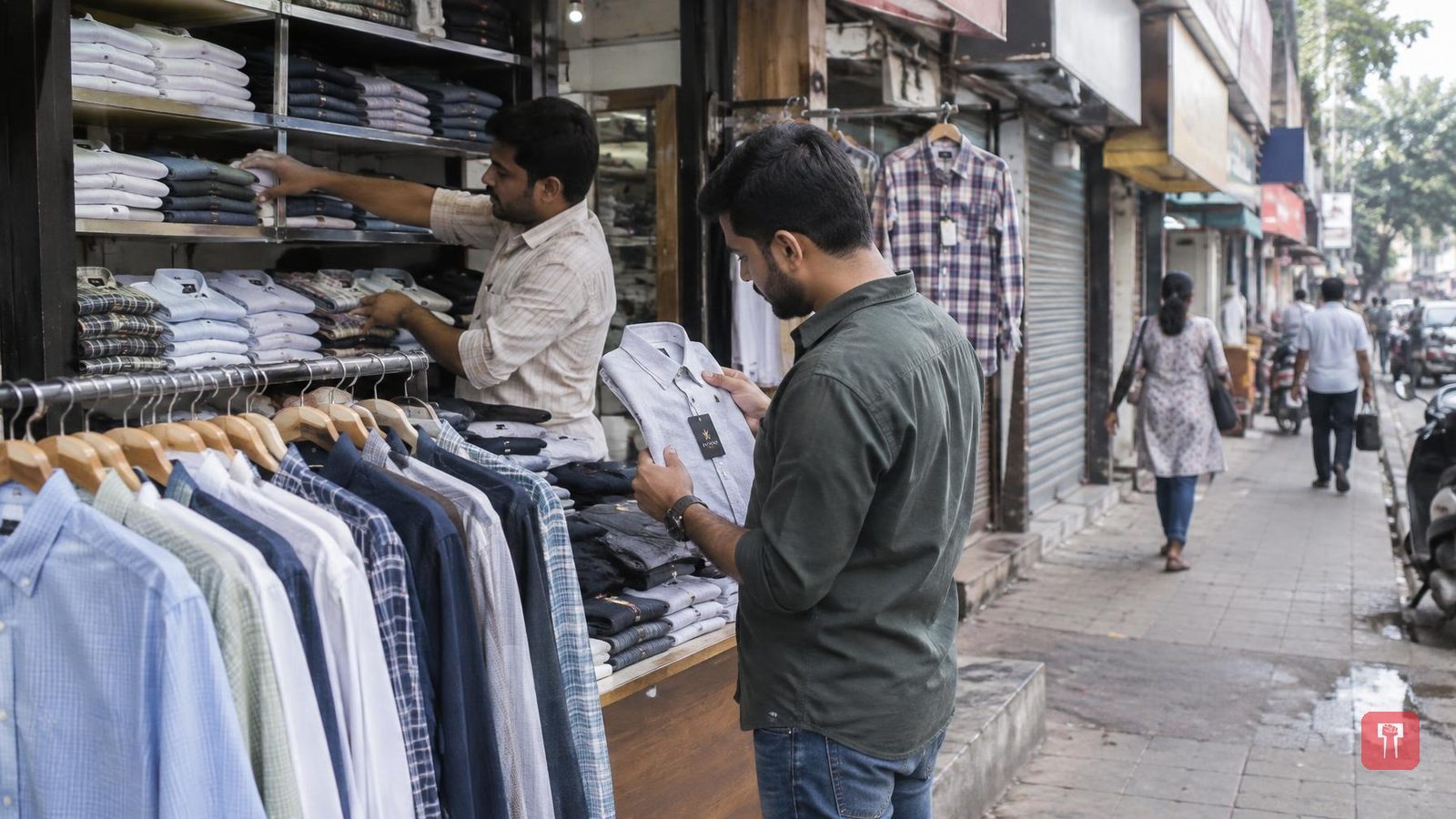
When buying new clothes, we notice the price, brand and design, but rarely think about the water spent making them. According to one estimate, making a single cotton shirt weighing around 250 grams can use nearly 2,700 litres of water. This includes both the water used to grow the cotton and the water used in the manufacturing process. This is not a fixed figure, it can vary depending on the region and farming methods used.
Against this backdrop, it becomes important to look at fast fashion and the now rapidly growing ultra fast fashion. Social media trends, low prices and constantly changing designs can create a feeling among customers that "this is already old" or "wearing the same outfit twice is embarrassing." Companies study customer preferences, online reactions and trends to bring new designs to market quickly. For instance, Inditex, the parent company of Zara, has said its stores used to receive new products twice a week.
Novelty itself becomes a key part of sales in fashion. "New collections," limited availability, social media influencers and constantly changing trends increase the urgency to buy. It would not be fair to blame this only on companies, customer demand also shapes this business model. According to Inditex's own report, new items are made based on customer preferences and reactions.
While cotton has a major water problem, synthetic fibres such as polyester, nylon and acrylic present a different environmental challenge. These plastic-based threads release microscopic plastic fibres when clothes are washed. According to UNEP, microfibres from synthetic textiles can account for 16 percent to 35 percent of ocean microplastic pollution. Dyes, processing chemicals and wastewater used in textile production are also a further source of pollution.
The question, then, is what customers should think. It cannot simply be concluded that every cotton shirt is bad or every synthetic garment is wrong. But questions do matter, such as how long a garment will be used, how often it will be washed, whether it is durable, and whether it is being bought without real need. Extending the life of clothes, reusing them and buying only what is needed, rather than keeping pace with fast fashion, could be a better way to reduce the impact on the environment and ease the strain on the wallet.
