

Interventional Cardiology Day: the story behind heart surgery without a cut
Marked every September 16, Interventional Cardiology Day honours a technique that treats blocked heart arteries without open-heart surgery.
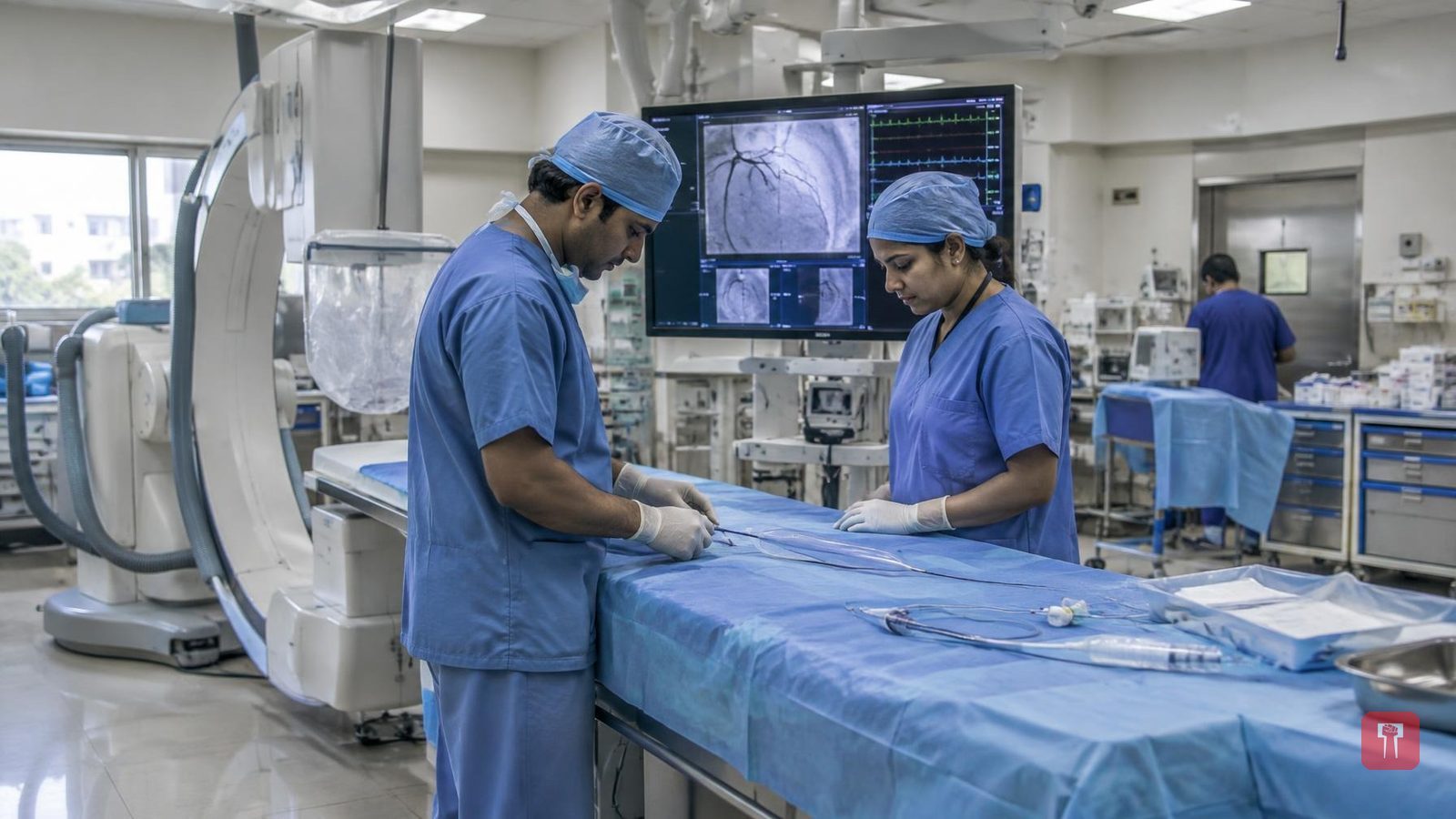
Open-heart surgery was once seen as the only way to treat heart disease, a procedure that was both major and complicated. The branch of medical science called interventional cardiology changed this picture entirely. Heart disease can now be treated successfully through minimally invasive methods without any large incision. This is why Interventional Cardiology Day is observed around the world every year on September 16, to spread awareness about the importance of this branch of medicine.
Interventional cardiology is a specialised branch of cardiology, or the science of heart disease. It uses a very thin, tube-like device called a catheter to clear blockages in the blood vessels of the heart. It does not require a large incision or stitches on the patient's body. The catheter is guided through a vein in the hand or leg directly to the heart. This technique includes coronary angioplasty, placing stents to keep veins open, heart valve repair or TAVR, and treatment of holes present in the heart since birth. It causes less pain to the patient, does not cause bleeding, and lets the patient return to daily activities within a few days.
The date September 16 marks a historic and revolutionary medical discovery. On September 16, 1977, in Zurich, Switzerland, Dr Andreas Gruentzig performed the world's first successful percutaneous transluminal coronary angioplasty, or PTCA, on a human being. He used a balloon catheter to open a blocked vein leading to the heart. This unprecedented event in medical science changed the direction of heart disease treatment. To honour Dr Gruentzig's contribution and spread awareness about heart disease worldwide, the United Nations General Assembly officially declared September 16 as Interventional Cardiology Day in September 2022.
Given today's fast-paced and changing lifestyle, heart disease has become the leading cause of death worldwide. Poor diet, lack of exercise, constant mental stress, smoking, high blood pressure and diabetes have led to an alarming rise in heart attacks even at a young age. In such a situation, interventional cardiology has proved to be a boon for patients. If a patient suffers a sudden heart attack, primary angioplasty performed within the first one to two hour golden window is extremely effective in saving the patient's life.
Even though advanced medical technology is available today, it is important to remember that prevention is better than cure. On this occasion, hospitals, medical institutions and social organisations around the world hold workshops, free health checkup camps and seminars. To keep the heart healthy, it is important to include green leafy vegetables, fruits and fibre-rich foods in the daily diet, walk or exercise for at least 30 minutes every day, practise yoga to reduce stress, and get regular heart checkups. Heart disease can be controlled by combining medical technology with a healthy lifestyle.
