

Turmeric to kalash: the traditions behind welcoming Gauri home
Ahead of Gauri Aagman during Ganeshotsav, many families keep certain auspicious items ready at home as part of long-held tradition.
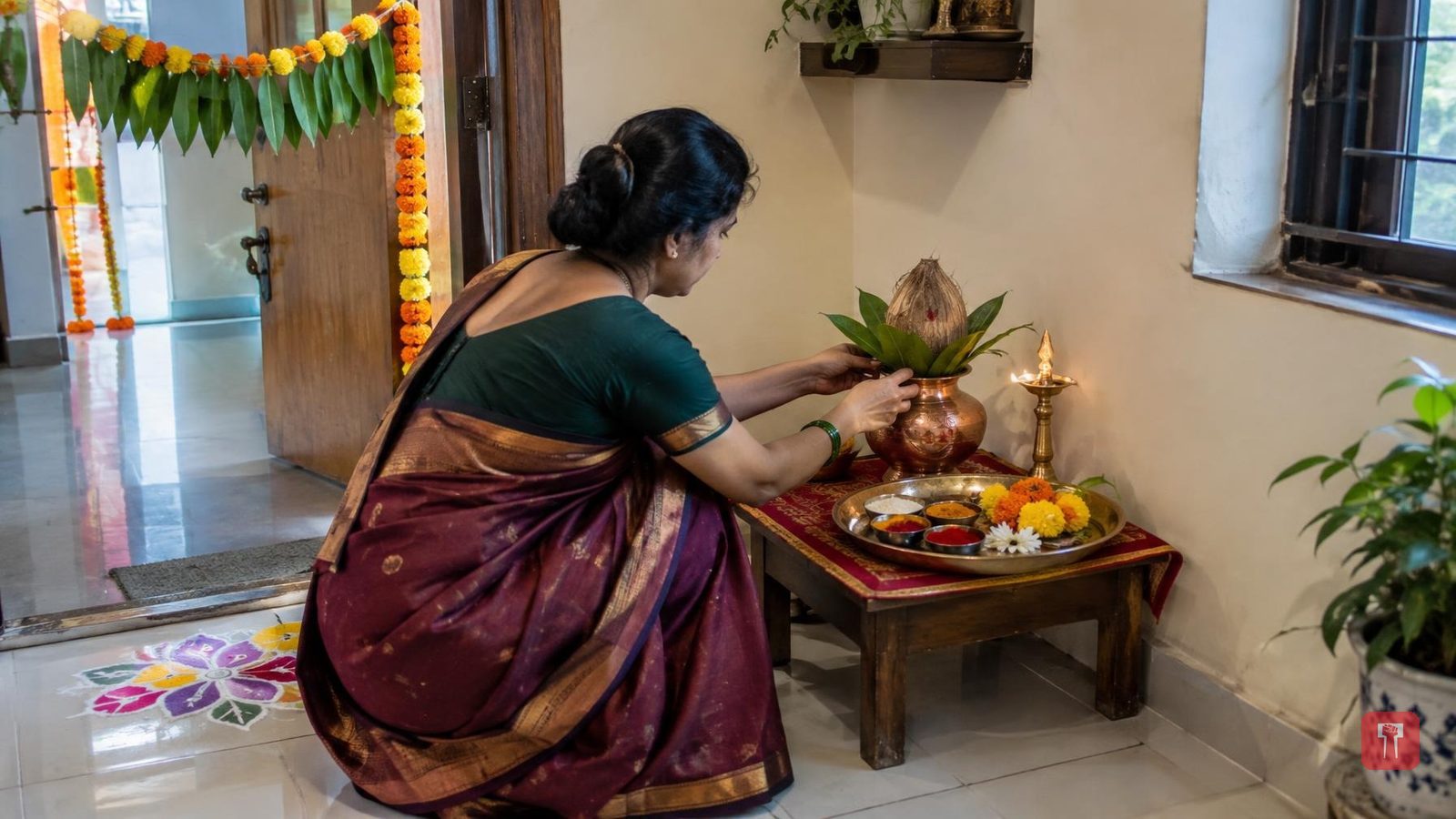
The day of Gauri Aagman during Ganeshotsav is considered a time of great excitement and importance. Households undertake thorough cleaning, decoration and preparation for the puja on this day. In some families, there is an old tradition of keeping certain auspicious items in the house before Gauri arrives. It is a religious belief that these items create positivity, happiness, prosperity and an auspicious atmosphere in the home. Families give importance to all these things while preparing for Gauri's arrival.
Turmeric and kumkum are considered symbols of auspiciousness in Hindu tradition. Many households follow the practice of placing turmeric and kumkum at the place of worship before Gauri's arrival to make the atmosphere at home auspicious. Along with this, akshata made from rice and turmeric also holds special importance in the puja. Akshata is seen as a symbol of completeness, prosperity and auspicious intent, which is why it is specially kept ready while preparing for the Gauri puja. Both turmeric-kumkum and akshata are said to be a must in the puja materials.
The coconut also holds an auspicious place in Hindu religious rituals. Considered a symbol of completeness and auspicious occasions, the coconut is definitely included among the puja materials. Fresh flowers and floral decorations are also arranged to welcome Gauri. It is believed that decorating the house with flowers such as marigold and mogra creates a pleasant and festive atmosphere. A toran of mango leaves is also considered auspicious. The tradition of hanging this toran at the main entrance of the house is still followed in many places and is seen as a symbol of an auspicious atmosphere at home. Both flowers and the mango-leaf toran are given special attention while preparing to welcome Gauri.
Before Gauri's arrival, there is also a custom of lighting a lamp or a diya near the household shrine and at the doorway. It is believed that light dispels darkness and is a symbol of knowledge and positivity. A kalash made of copper or brass is also considered special in religious rituals. The kalash is set up with water, mango leaves and a coconut placed in it, and it is regarded as a symbol of auspicious occasions and prosperity. Both the lamp and the kalash are given a distinct and special place in religious rituals.
Along with all these auspicious items, cleaning the house and drawing a rangoli at the threshold are also given equal importance. A clean house and a well-made rangoli create a festive atmosphere at home. It is said that cleanliness and safety should be prioritised while decorating the house, and puja items should be kept according to each family's own traditions. Practices regarding which items are considered auspicious can vary by region and family, so it is suggested that these things be viewed as part of religious faith and tradition.
