

Up to five. They lead your front page; everything else stays city wide.
You will get a Prime Alert when something breaks in these areas.
The city, and the morning. Back editions are the paper as it stood that day.
Loading the last ten editions…
Karnataka’s high ASDDO figures have raised concerns that genuine voters may have been excluded from the electoral rolls. Bengaluru accounts for a disproportionately large share, with high migration, a large rental population and frequent changes of residence increasing the risk of eligible voters…
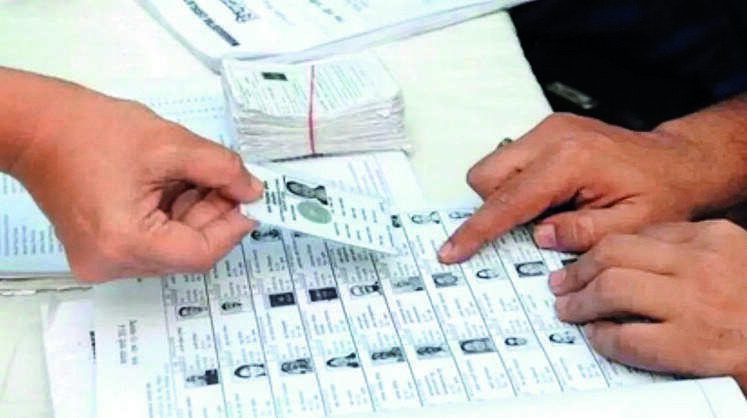
Karnataka’s high ASDDO figures have raised concerns that genuine voters may have been excluded from the electoral rolls. Bengaluru accounts for a disproportionately large share, with high migration, a large rental population and frequent changes of residence increasing the risk of eligible voters being left out.
analyses the factors that could have left genuine voters vulnerable during SIR.
Migration is perhaps the biggest challenge, particularly in Bengaluru, which has an estimated 42 lakh migrant workers accounting for 44% to 50% of its population. Frequent relocation for jobs, promotions, education and other reasons can leave voters registered at their old addresses even after they move. The Election Commission has identified migration as one of the factors contributing to multiple registrations or failure to update electoral records.
A voter may be temporarily or permanently away when a BLO visits due to work, education, travel or family reasons. If the enumeration form cannot be collected or the voter cannot be verified, they may be classified under “absent” or a related category.
Karnataka’s ASDDO exercise highlights the scale of the challenge, with more than 1.1 crore voters initially placed in the Absent, Shifted, Dead, Duplicate and Others categories.
Urban renters are particularly vulnerable as they frequently move homes for work, education, better housing, access to schools or public transport. A voter may have a valid EPIC but no longer live at the address recorded on the electoral roll. If the registration is not updated, field verification may result in the voter being marked as “shifted”.
Locked homes, incomplete addresses, elderly residents living alone and voters working outside their constituencies can make it difficult for BLOs to collect or verify enumeration forms. Communication gaps can further compound the problem. The risk is particularly high in large apartment complexes and migrant-dominated neighbourhoods, where residents may be away when BLOs visit.
Removing the names of deceased voters is an important part of electoral-roll revision. However, errors can occur when voters with similar names, addresses or family details are incorrectly identified. A genuine voter could be affected if information is wrongly matched or interpreted during verification.
A voter who moves from one constituency to another may remain on the old electoral roll while registering at a new address. Such cases can be flagged as duplicates even though the voter is genuine. Migration and failure to update electoral records are recognised causes of multiple registrations.
Documentation can pose difficulties, particularly for elderly people, economically vulnerable households and those without easily accessible historical records. During the SIR, the Election Commission of India maintained that Aadhaar, EPIC and ration cards, by themselves, cannot establish the eligibility required for the exercise. This could make the process particularly difficult for voters who lack readily accessible historical records.
The requirement to establish links with earlier electoral-roll records, including the 2002 rolls in Karnataka, can create difficulties for voters who have moved across states or constituencies, changed their names or have discrepancies in family records. Older records may also be difficult to locate, access or match.
Names may appear differently across electoral rolls and official documents, particularly due to transliteration between Kannada, other Indian languages and English. Even minor differences in spelling, initials, surnames or the order of names can complicate both automated and manual matching.
Digitally savvy voters can more easily check electoral records, track notices and file claims or objections. Elderly voters, daily-wage workers and those without internet access may not know their names have been flagged or may struggle to complete the process within the prescribed time.
SIR relies heavily on field-level verification. Locked homes, incomplete addresses, inaccessible locations and households where residents are repeatedly unavailable can increase the possibility of voters being classified incorrectly.
Women who change their surname after marriage or move to another constituency may have electoral records under different versions of their names. Differences between maiden and married names, changes of address and variations in family details can make matching with older electoral records more difficult.
Source: The Times of India

Asked once. After this the app never asks you for a city again.
Bengaluru was guessed from your connection. Nothing was set anywhere.
No account. No email. Nothing is shared. Pick your areas later, from You.

The Bengaluru edition, on your home screen.
Two taps in Safari. No App Store, no account.
You are following this story.