
ಐದರವರೆಗೆ. ಇವು ನಿಮ್ಮ ಮುಖಪುಟವನ್ನು ಮುನ್ನಡೆಸುತ್ತವೆ; ಉಳಿದೆಲ್ಲವೂ ನಗರವ್ಯಾಪಿ ಇರುತ್ತದೆ.
ಈ ಪ್ರದೇಶಗಳಲ್ಲಿ ಏನಾದರೂ ಸಂಭವಿಸಿದಾಗ ನಿಮಗೆ ಪ್ರೈಮ್ ಅಲರ್ಟ್ ಸಿಗುತ್ತದೆ.
ನಗರ, ಮತ್ತು ಬೆಳಗು. ಹಿಂದಿನ ಆವೃತ್ತಿಗಳು ಆ ದಿನ ಇದ್ದಂತೆಯೇ ಇರುವ ಪತ್ರಿಕೆ.
ಕೊನೆಯ ಹತ್ತು ಆವೃತ್ತಿಗಳು ಬರುತ್ತಿವೆ…
Mumbai: Maharashtra is preparing to take its two major mass traditions, Ganeshotsav and Dahi Handi, to the global cultural stage, with the State Government initiating efforts to secure their inclusion in UNESCO’s Intangible Cultural Heritage list. The proposed move seeks international recognition for traditions that have evolved over generations and continue to draw large-scale community…
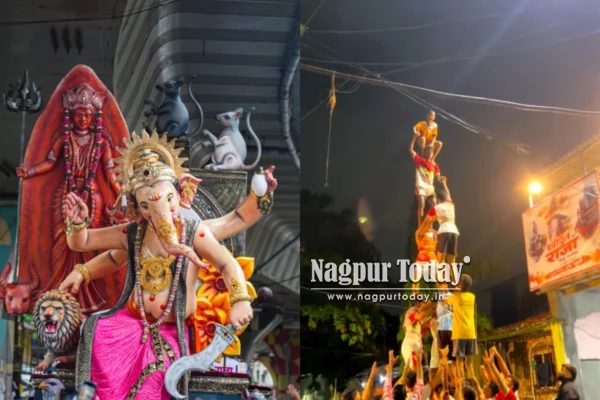
Mumbai : Maharashtra is preparing to take its two major mass traditions, Ganeshotsav and Dahi Handi, to the global cultural stage, with the State Government initiating efforts to secure their inclusion in UNESCO’s Intangible Cultural Heritage list.
The proposed move seeks international recognition for traditions that have evolved over generations and continue to draw large-scale community participation across Maharashtra. The initiative has gained momentum following Deepavali’s inclusion in UNESCO’s Intangible Cultural Heritage list in 2025.
UNESCO’s Intangible Cultural Heritage programme focuses on safeguarding “living heritage,” traditions, rituals, knowledge, skills and cultural practices that communities continue to preserve and pass on from one generation to another.
Ganeshotsav has a particularly deep cultural and historical connection with Maharashtra. The worship of Lord Ganesha was patronised during the Peshwa era, but the festival acquired a distinctly public character in the late 19th century.
In 1893, Lokmanya Bal Gangadhar Tilak transformed the predominantly private celebration into a public festival. The move helped bring people together and created a common social platform during the freedom movement under British rule.
More than a century later, Ganeshotsav has grown into one of Maharashtra’s most prominent cultural traditions, with elaborate public celebrations taking place across the state.
Mumbai alone has around 10,600 Sarvajanik Ganesh Mandals, although only about 2,500 reportedly obtain official permission for the 10-day festival. Across Maharashtra, the number of Ganpati idols installed during the festival is estimated at around 28 lakh, underlining the scale of public participation.
State Cultural Affairs Minister Ashish Shelar said the Government plans to organise Ganeshotsav-related programmes across all 36 districts of Maharashtra, besides taking the celebrations to 10 other states and one foreign country.
The Government is also working on several initiatives aimed at documenting and showcasing the festival’s historical, social and cultural dimensions as part of its effort to strengthen the case for UNESCO recognition.
The State Government is also looking at Dahi Handi, a tradition associated with the birth of Lord Krishna, for international recognition.
Celebrated a day after Janmashtami, Dahi Handi combines religious devotion with community participation, physical skill and competitive sport. Teams of Govindas form human pyramids to break a pot suspended at a height, turning the religious tradition into a major public spectacle.
The celebration has grown considerably in Mumbai and the wider Mumbai Metropolitan Region over the years. More than a decade ago, politician Sachin Ahir organised a large-scale Dahi Handi competition at Jamboree Maidan in Worli. The format subsequently gained popularity across the region, with several events now offering substantial prize money.
The scale of the celebrations was evident in 2025, when around 1,800 Dahi Handi events were organised across Maharashtra, including approximately 1,300 in Mumbai.
The State Government has also introduced a Rs 10 lakh insurance cover for each Govinda participating in Dahi Handi, recognising the physical risks involved in the increasingly competitive celebrations.
The proposed UNESCO nomination is not merely aimed at obtaining a global cultural tag. A listing under the Intangible Cultural Heritage framework is intended to help safeguard traditions that continue to evolve while retaining their historical and community connections.
For Maharashtra, Ganeshotsav and Dahi Handi represent traditions in which religious belief intersects with community participation, art, music, social interaction and collective identity.
A successful nomination would place these Maharashtra traditions alongside several Indian cultural practices already recognised by UNESCO.
India already has several entries on UNESCO’s Intangible Cultural Heritage list, including Deepavali, Durga Puja, Kumbh Mela and Garba.
The global list encompasses diverse traditions from different cultures. It includes rickshaws and rickshaw art from Bangladesh, acupuncture and calligraphy from China, and yodelling from Switzerland, among numerous other forms of living heritage.
The UNESCO framework seeks to ensure that such traditions, along with the knowledge and skills associated with them, are not lost but continue to be practised and transmitted by communities.
For Maharashtra, the proposed bid for Ganeshotsav and Dahi Handi is therefore an attempt to take two deeply rooted public traditions beyond the state’s borders and place their cultural legacy on the international heritage map.
Source: Nagpur Today

ಒಮ್ಮೆ ಕೇಳಲಾಗುತ್ತದೆ. ಇದಾದ ನಂತರ ಆ್ಯಪ್ ನಿಮ್ಮನ್ನು ನಗರದ ಬಗ್ಗೆ ಎಂದಿಗೂ ಕೇಳುವುದಿಲ್ಲ.
Nagpur ಅನ್ನು ನಿಮ್ಮ ಕನೆಕ್ಷನ್ನಿಂದ ಊಹಿಸಲಾಗಿದೆ. ಎಲ್ಲೂ ಏನನ್ನೂ ಸೆಟ್ ಮಾಡಿಲ್ಲ.
ಖಾತೆ ಇಲ್ಲ. ಇಮೇಲ್ ಇಲ್ಲ. ಏನೂ ಹಂಚಿಕೆಯಾಗುವುದಿಲ್ಲ. ಪ್ರದೇಶಗಳನ್ನು ಆಮೇಲೆ ‘ನೀವು’ ಪುಟದಿಂದ ಆರಿಸಿ.

Nagpur ಆವೃತ್ತಿ, ನಿಮ್ಮ ಹೋಮ್ ಸ್ಕ್ರೀನ್ನಲ್ಲಿ.
ಸಫಾರಿಯಲ್ಲಿ ಎರಡು ಟ್ಯಾಪ್. ಆ್ಯಪ್ ಸ್ಟೋರ್ ಇಲ್ಲ, ಖಾತೆ ಇಲ್ಲ.
ನೀವು ಈ ಸುದ್ದಿಯನ್ನು ಫಾಲೋ ಮಾಡುತ್ತಿದ್ದೀರಿ.