
पाँच तक। ये आपके पहले पन्ने की अगुवाई करेंगे; बाक़ी सब पूरे शहर का रहेगा।
इन इलाक़ों में कुछ बड़ा होने पर आपको प्राइम अलर्ट मिलेगा।
शहर, और सुबह। पुराने संस्करण उस दिन का अख़बार हैं, जैसा वह उस दिन था।
पिछले दस संस्करण आ रहे हैं…
Nagpur: A 2023 ruling by the Nagpur Bench of the Bombay High Court has emerged as the legal backdrop to a major change in Maharashtra’s administrative framework, with Chief Minister Devendra Fadnavis now being given explicit powers to review and override decisions taken by individual ministers in the larger public interest. The Maharashtra Government has…
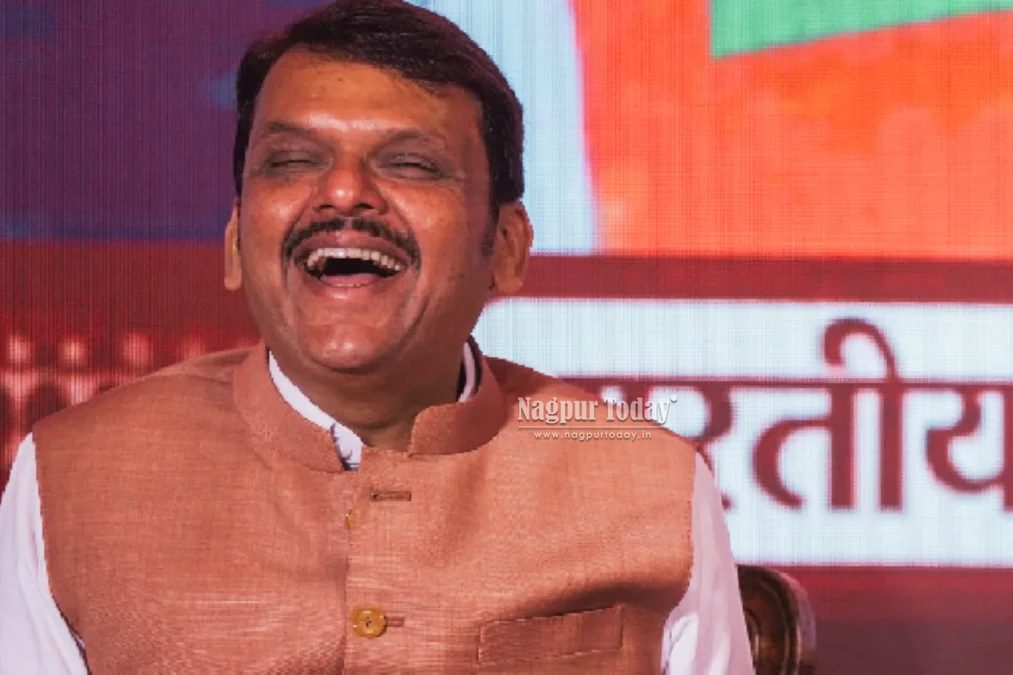
Nagpur : A 2023 ruling by the Nagpur Bench of the Bombay High Court has emerged as the legal backdrop to a major change in Maharashtra’s administrative framework, with Chief Minister Devendra Fadnavis now being given explicit powers to review and override decisions taken by individual ministers in the larger public interest.
The Maharashtra Government has notified the Maharashtra Government Rules of Business, 2026, introducing a provision that allows the Chief Minister to intervene in a decision taken by a minister and direct its modification if he considers it necessary in the public interest.
The significance of the new provision is particularly evident in the context of a judgment delivered by the Nagpur Bench of the Bombay High Court in 2023. The court had then set aside an order issued by the then Chief Minister Eknath Shinde, holding that the Chief Minister did not have the authority under the prevailing Rules of Business to independently interfere with a decision taken by the minister concerned.
The case related to a decision involving the Chandrapur District Central Cooperative Bank, with the dispute ultimately reaching the Nagpur Bench. The judgment had effectively underlined the distinction between the powers of the Chief Minister and those of a minister heading a particular department.
The 2026 rules now seek to clearly address that grey area.
Under the existing administrative arrangement, the minister in charge of a department is primarily responsible for the business allocated to that department. The new rules, however, expressly empower the Chief Minister to examine and modify a ministerial decision if such intervention is considered necessary in the public interest.
The Chief Minister will, however, have to record the reasons for such intervention in writing.
The rules also empower the Chief Minister to call for files and documents from any department. The concerned minister and departmental secretary will be required to furnish the records when requisitioned by the Chief Minister.
The provision effectively gives the Chief Minister a formal mechanism to scrutinise important departmental decisions instead of relying merely on political or administrative intervention.
The development marks a significant shift from the legal position that emerged from the 2023 Nagpur Bench judgment.
At the time, the court had questioned the authority of the Chief Minister to independently stay a decision taken by the minister concerned under the Rules of Business then in force.
The new rules appear to have plugged that gap by expressly incorporating the Chief Minister’s power to intervene, provided the action is justified in the larger public interest and the reasons are placed on record.
The government has presented the changes as an administrative and legal reform aimed at clearly defining the respective roles of the Chief Minister and ministers.
The provision, however, has considerable political significance in the backdrop of Maharashtra’s coalition government.
The 2023 legal controversy involved Eknath Shinde as Chief Minister. Shinde is now Deputy Chief Minister, while Fadnavis heads the government.
The new rules therefore raise questions over whether the change is purely intended to remove an ambiguity exposed by the Nagpur Bench judgment or whether it could also strengthen the Chief Minister’s position in dealing with politically sensitive decisions taken by ministers belonging to coalition partners.
The provision does not take away the powers of individual ministers over their respective departments. However, it gives the Chief Minister an expressly defined overriding mechanism in cases where a decision is considered contrary to the public interest.
The practical impact of the new arrangement will become clearer when the provision is invoked in a major or politically sensitive case.
So far, there has been no public confirmation that Fadnavis has overturned any minister’s decision under the newly notified rules. The first such intervention, if and when it occurs, is likely to provide the clearest indication of how far the new power will be used.
Source: Nagpur Today

एक बार पूछा जाता है। इसके बाद ऐप आपसे शहर कभी नहीं पूछेगा।
Nagpur आपके कनेक्शन से अंदाज़ा लगाया गया है। कहीं कुछ सेट नहीं हुआ।
कोई खाता नहीं। कोई ईमेल नहीं। कुछ साझा नहीं होता। इलाक़े बाद में, आप से चुन लें।

Nagpur संस्करण, आपकी होम स्क्रीन पर।
सफ़ारी में दो टैप। न ऐप स्टोर, न खाता।
आप इस ख़बर को फ़ॉलो कर रहे हैं।